 Ephemundi
←
Inventory no. 006 — Asian Art
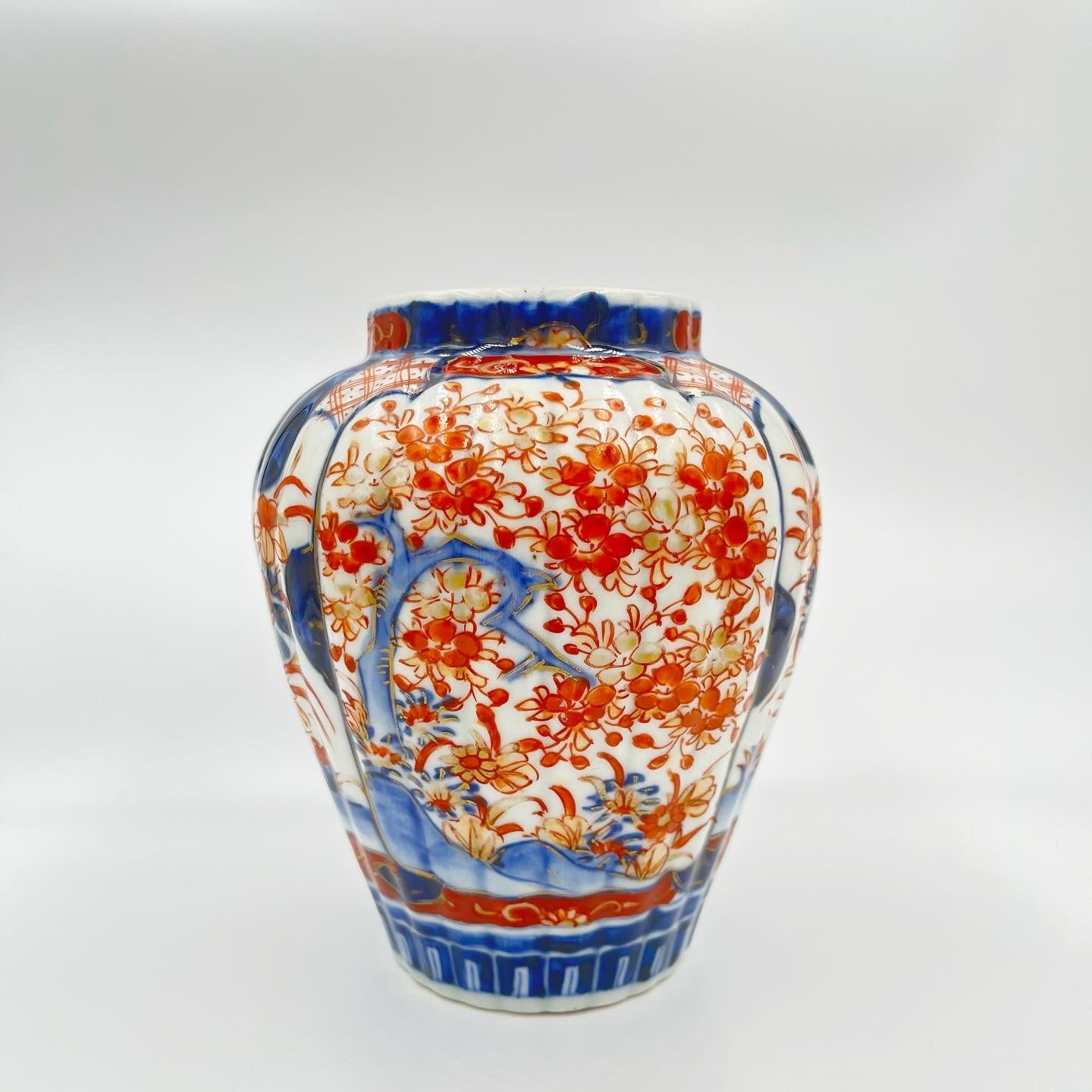
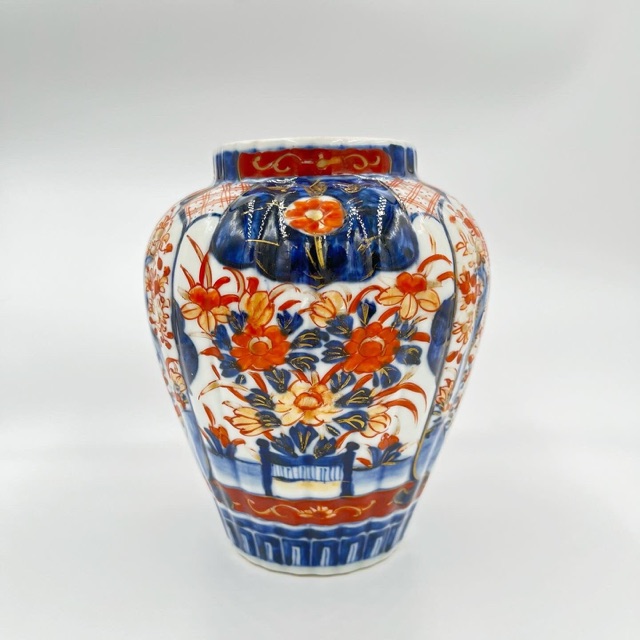
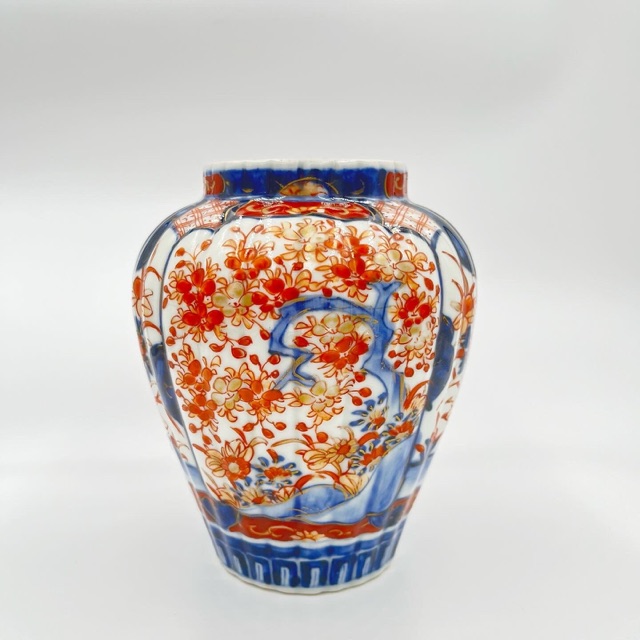
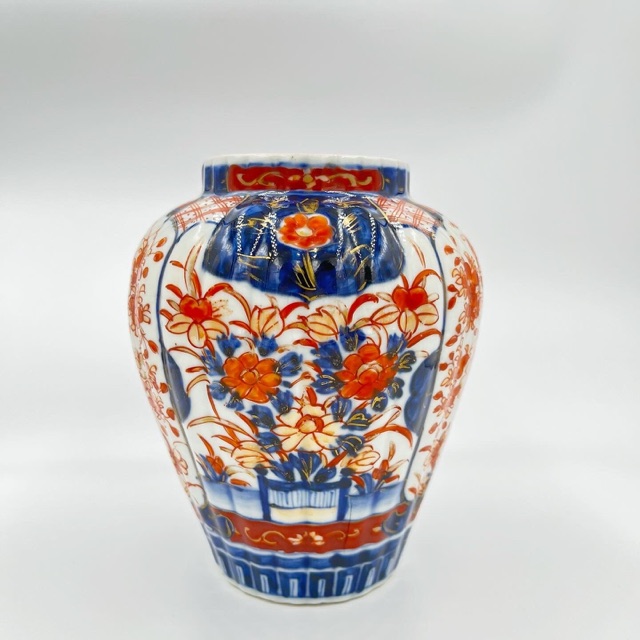
Imari Porcelain Vase — Japan, Meiji Period
Available
- Origin
- Japan
- Period
- Meiji period (1868–1912)
- Material
- Porcelain
- Dimensions
- 14,8 × 12 × 12 cm
- Collection
- Asian Art
€85
View this piece in the houseOne-of-a-kind piece. Insured shipping, in France and abroad. Fourteen days to withdraw after receipt.
Detailed notice
Origin: Japan
Period: Meiji Period (1868-1912)
Material: Porcelain
Condition: Good condition
Dimensions: 14.8x12x12 cm
Weight: 416g
This Japanese Imari vase, dating from the late 19th century in the Meiji period, is a very beautiful stoneware piece. It is hand-painted with traditional red and cobalt blue patterns, featuring scalloped sides adorned with flowers and geometric designs. The vase is in very good used condition, the photos provided are integral to understanding its condition and beauty.
The Meiji period (1868-1912) in Japan marked a transformative epoch characterized by rapid modernization and a delicate balance between embracing Western influence and preserving traditional culture. Under Emperor Meiji's reign, Japan underwent significant socio-political and economic reforms, propelling the nation into the modern era. The period witnessed a resurgence of interest in traditional arts and crafts alongside the adoption of Western technologies. The Imari vase exemplifies this synthesis, showcasing meticulous craftsmanship with hand-painted patterns reflecting a harmonious blend of traditional Japanese aesthetics and evolving influences. This era's cultural renaissance, industrialization, and global interaction laid the groundwork for Japan's emergence as a major player on the world stage in the 20th century.