 Ephemundi
←
Inventory no. 049 — Islamic Art
Silver “Two Dirham” — Mongol Ilkhanate of Persia
Available
- Origin
- Persia (Iran)
- Period
- Ilkhanate (13th–14th century)
- Material
- Silver
- Dimensions
- ⌀ 26,5 mm
- Collection
- Islamic Art
€93
View this piece in the houseOne-of-a-kind piece. Insured shipping, in France and abroad. Fourteen days to withdraw after receipt.
Detailed notice
Silver coin of the Mongol Ilkhanate of Persia.
Denomination: 2 dirhams (double dirham). Metal: silver. Diameter: 26.5 mm. Weight: 4.3 g. Condition: not graded.
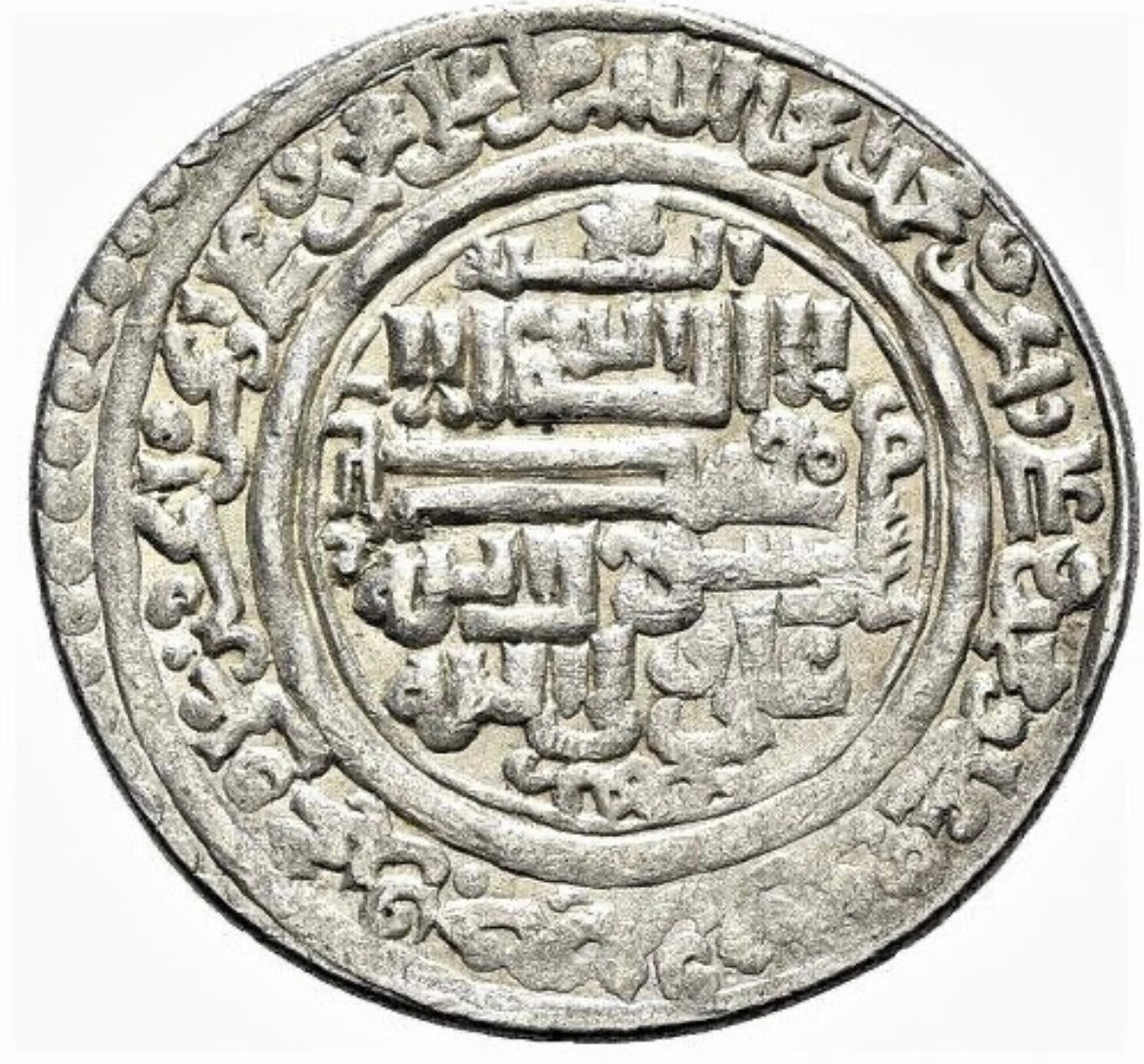
Attribution given at acquisition: mint of al-Mawsil (Mosul, Iraq), year 710 of the Hegira (1310–1311), reign of Uljaytu (703–716 AH / 1304–1316), a variety described as rare. The obverse formula, "struck in the days of the greatest sultan, may God perpetuate his reign", is also found on coins of his son Abu Sa'id (716–736 AH / 1316–1335): the attribution should therefore be confirmed by a numismatist.
Obverse:
ضرب في ايام السلطان الاعظم خلّد اللّه ملكه
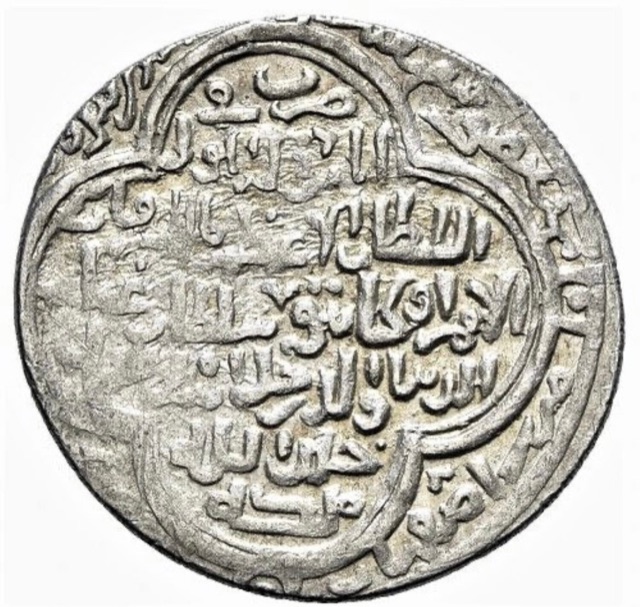
Reverse: "There is no god but God, Muhammad is the messenger of God", followed by the names of the first caliphs of Islam.
لا اله الا اللّه محمد رسول اللّه ابو بكر - عثمان - علي
The Ilkhanate was born in the 1250s from the division of the Mongol empire. Founded by Hulagu, grandson of Genghis Khan, who took Baghdad in 1258 and put to death the last Abbasid caliph, al-Musta'sim, it ruled at its height over present-day Iran and Iraq, the Caucasus and part of Anatolia. Its first rulers favoured Buddhism and Nestorian Christianity; Ghazan converted to Islam in 1295, and his successors kept the Islamic faith. The Ilkhanids struck silver coins in a great number of mints, in several denominations.
The calligraphy, in a late Kufic style, is set in elaborate cartouches, in sharp contrast with the sobriety of early Islamic coinage. No caliph is named: the office had disappeared from Baghdad with the Mongol conquest. Striking coins in one's own name – the sikka – was one of the marks of sovereignty in the Islamic world.